1. New PC App and BLE Connectivity
Our PC application has been redesigned to provide a robust and intuitive platform for motion analysis. As a key development, the system now incorporates Bluetooth Low Energy (BLE) technology, enabling wireless communication between sensors and the application.
This advancement allows real-time data acquisition, improved device connectivity, and greater flexibility in both field and laboratory environments, while maintaining precise synchronization between sensor data and video.
Integrating video and sensor data enables precise and actionable performance analysis in real-world environments
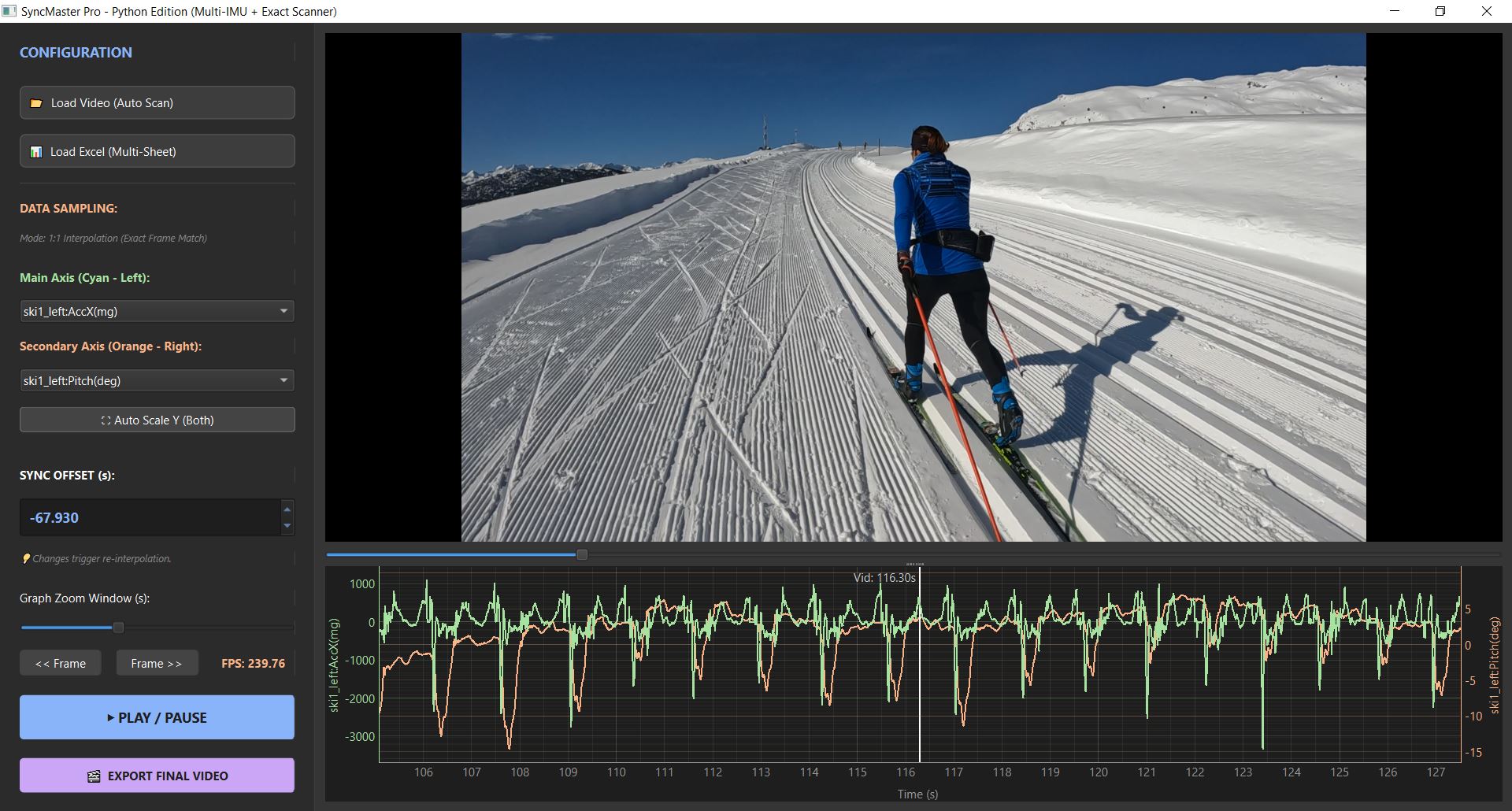
Advanced Motion Analysis Platform
Our PC application integrates sensor data, video, and advanced analytics into a unified environment. Built in Python, it enables seamless synchronization, high-resolution visualization, and in-depth analysis of motion, providing a complete solution for performance evaluation.
Real-time data acquisition and system control through the platform
Synchronized video and sensor data visualization
Seamless integration with mobile devices and wearables
Integrated environment for data processing and technique evaluation
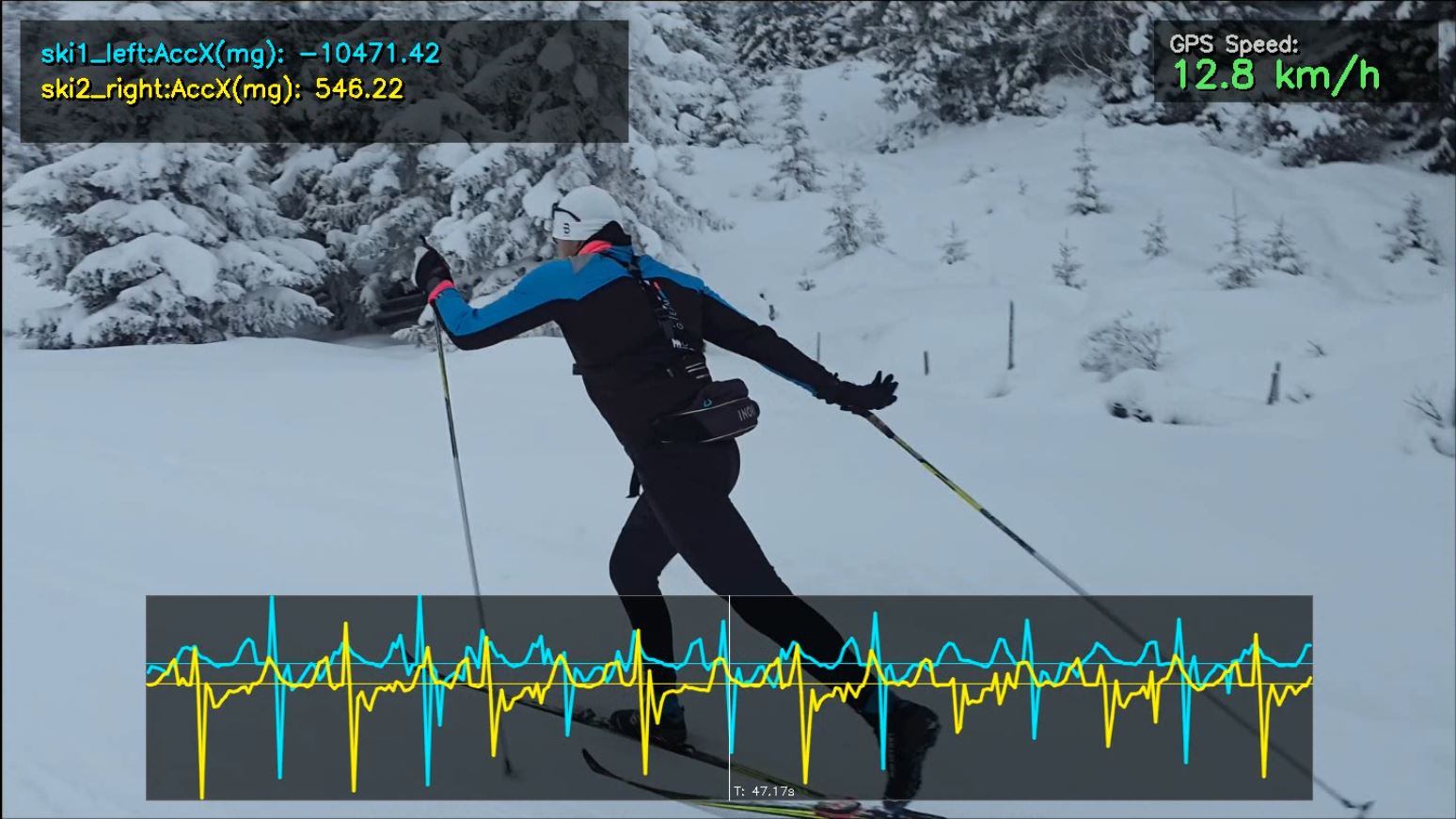
2. Tested in extreme conditions
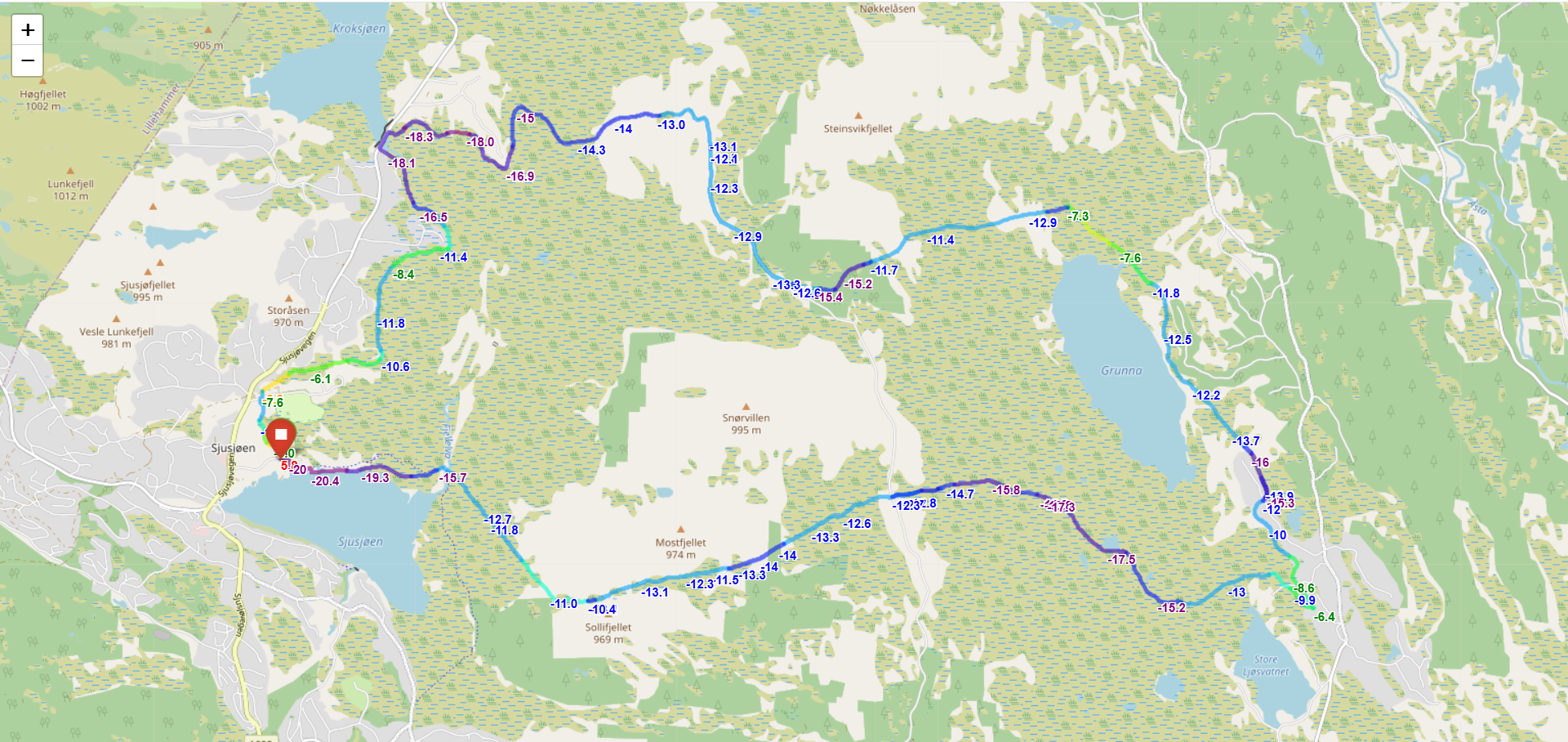
Our system has been successfully tested in extreme environmental conditions, including low-temperature scenarios in Norway reaching up to -22°C.
This represents a significant step forward, as previous versions had not been validated under such demanding conditions.
These tests demonstrate the reliability and robustness of the system in real outdoor environments, ensuring consistent performance even in harsh climates.
Validated in real-world extreme conditions, ensuring reliable performance in cold environments.
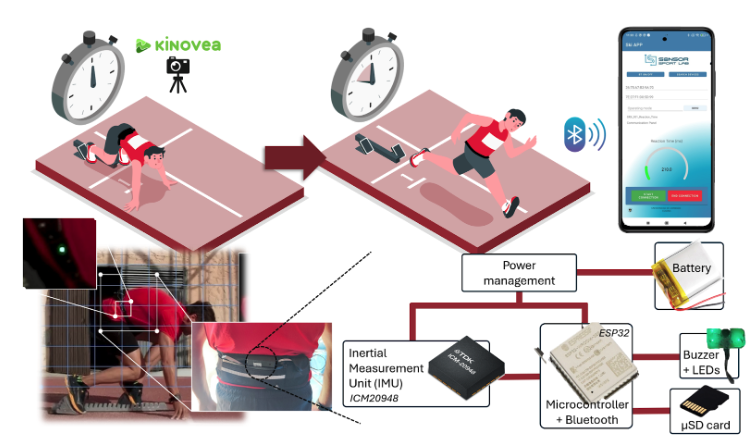
3. Reaction Time Measurement in Running
Within the running discipline, the system has been successfully applied to measure reaction time during sprint starts.
By using inertial sensors, it is possible to accurately detect the exact moment of movement initiation, enabling precise and objective assessment of athlete responsiveness.
This approach provides a reliable alternative to traditional methods, allowing reaction time analysis in real training environments without the need for laboratory equipment.
Accurate reaction time measurement in real training conditions without lab equipment.
4. High-Performance IMUs
Smaller, faster, more precise
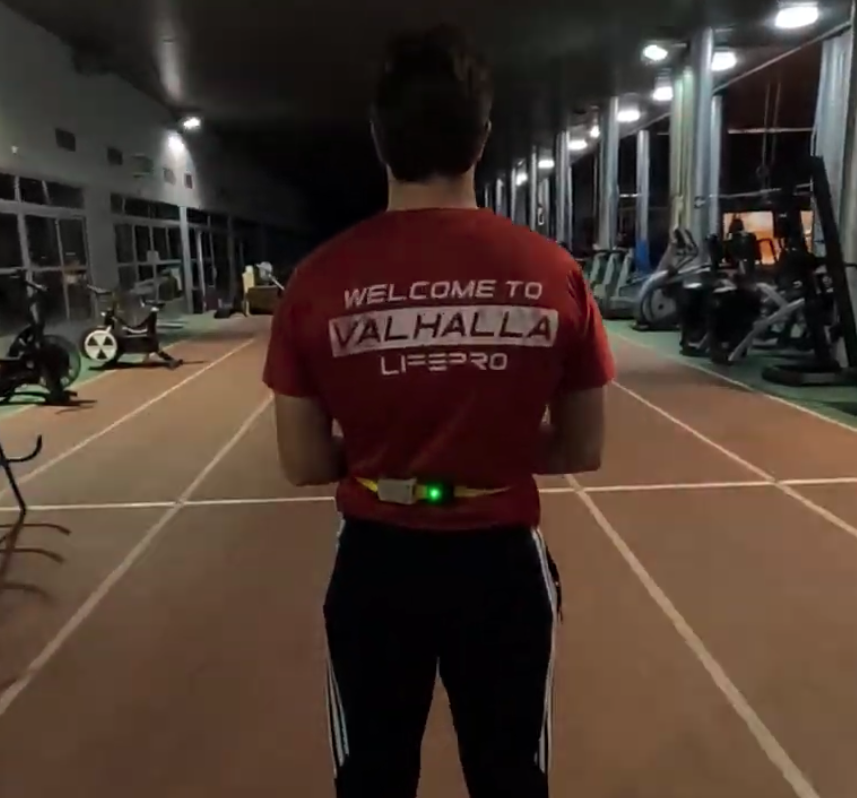
The latest generation of inertial sensors has been miniaturized while increasing sampling frequency, enabling more accurate and higher-resolution motion capture. This improvement allows better detection of fast movements and enhances overall data quality for performance analysis.
Higher sampling rates enable more precise detection of fast movements.
5. CMJ Phase Detection Algorithm
Detailed analysis of jump mechanics
A new algorithm has been developed to analyze countermovement jumps (CMJ) by automatically identifying and segmenting the different phases of the movement.
Using inertial sensor data, the system detects key phases such as eccentric, concentric, flight, and landing, providing a detailed understanding of jump performance.
Automatic measurement and detection of CMJ movement phases using inertial sensor data.